Local Flora & Fauna · Rogue Valley, Southern Oregon
Southern Oregon grows its own.
The Rogue Valley sits at the convergence of three distinct bioregions — the Cascades, the Siskiyous, and the Klamath mountains — producing a native plant palette found nowhere else on earth.
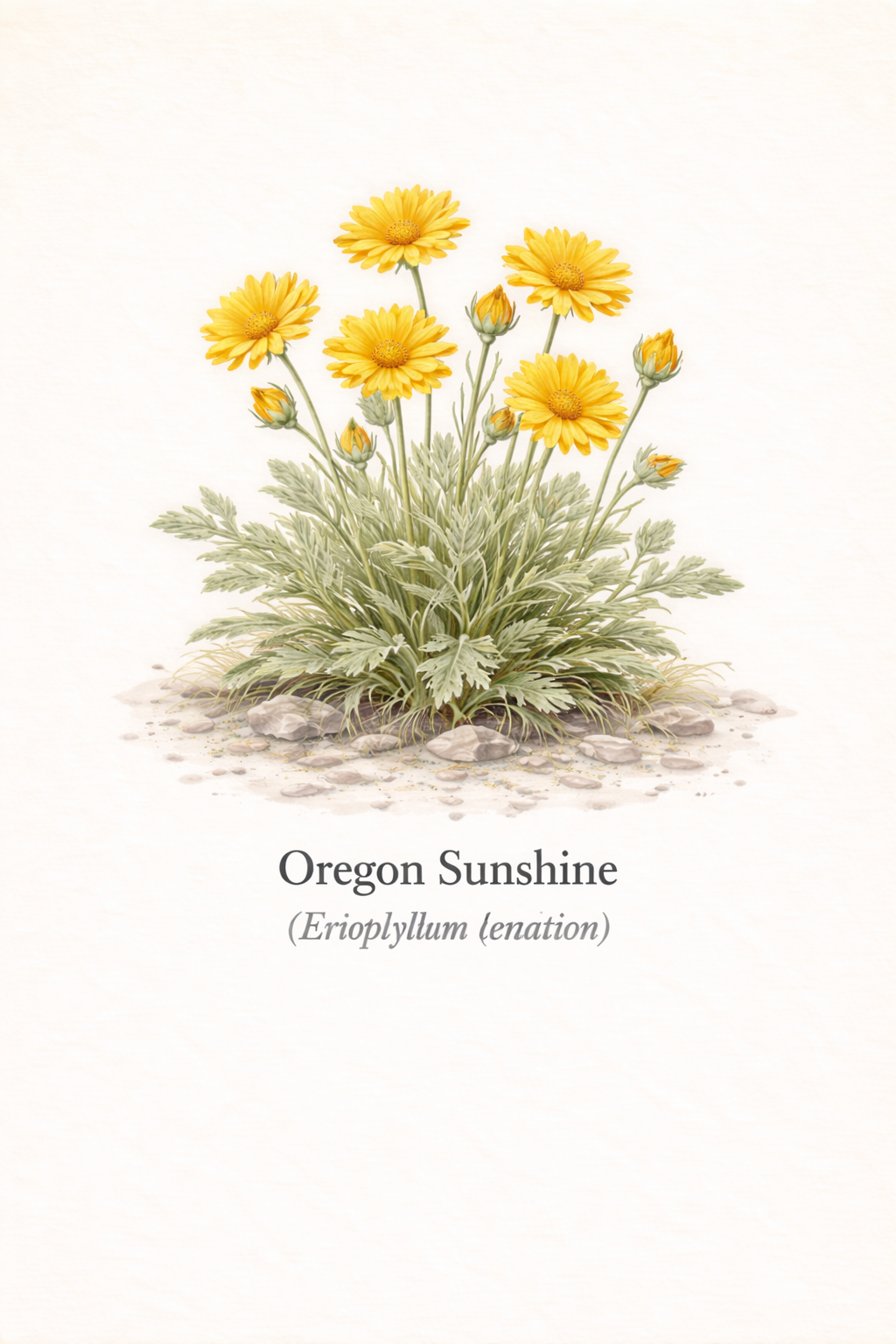
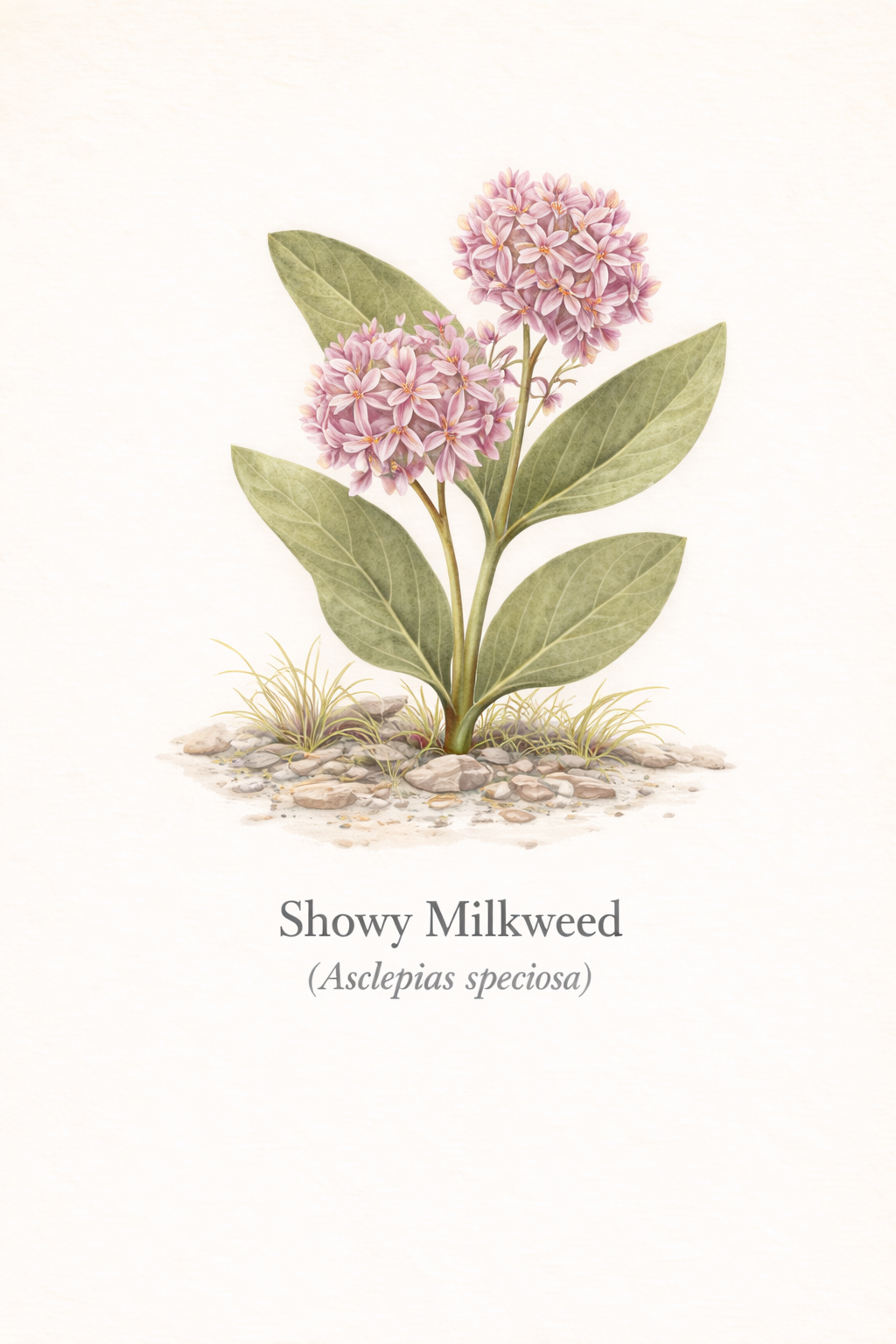
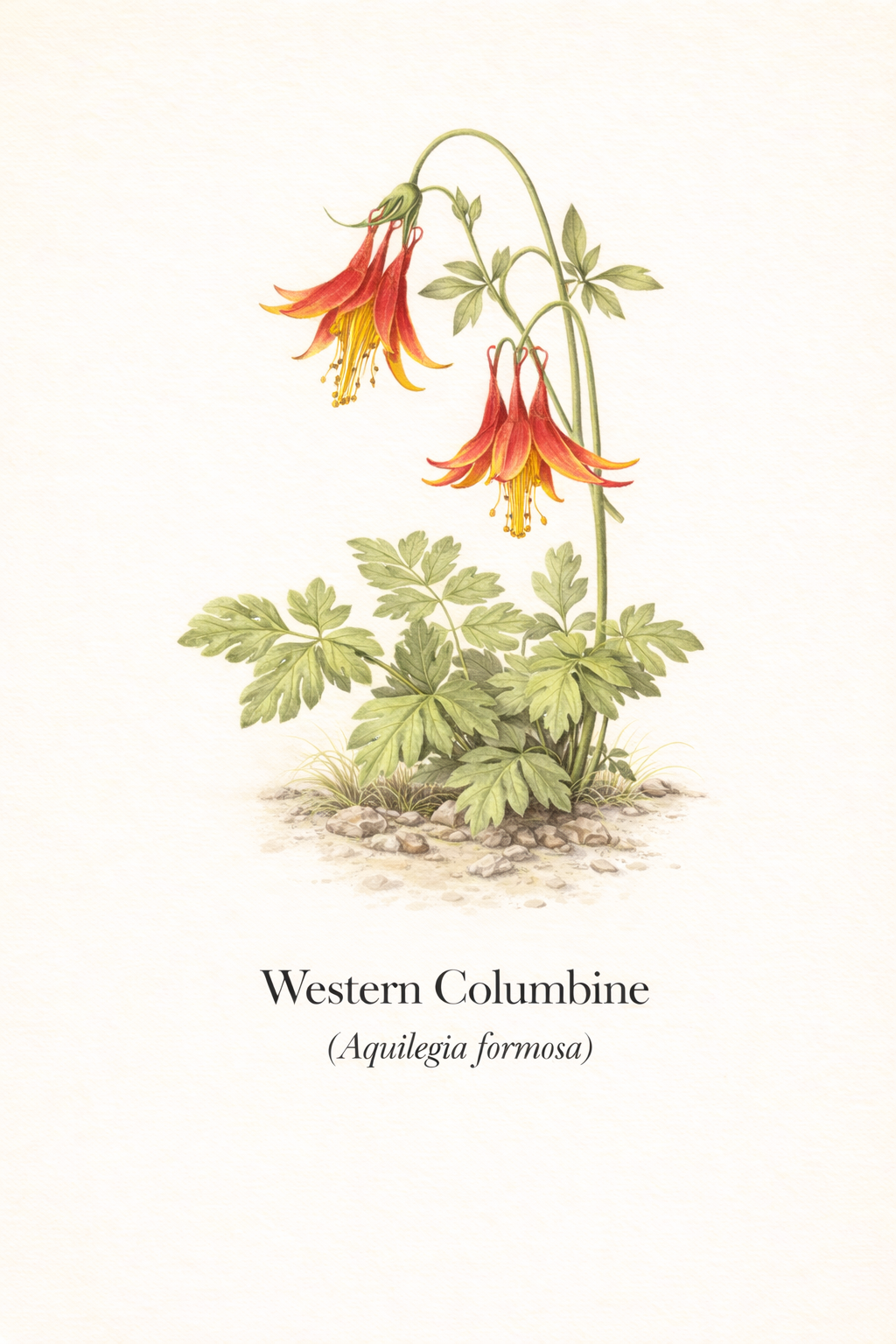
Native Plants of the Valley
Three plants that belong here.
The Fauna That Follows
A garden built for visitors.
Native plants and native fauna co-evolved over millennia. When you plant a Showy Milkweed, the monarchs find it. When you plant Oregon Grape along a shaded border, the Black-Headed Grosbeak arrives in spring. The relationship is not metaphorical — it is encoded in the biology of every species that persists in this valley.
We design with this in mind. Every plant choice is also a habitat choice. The Rogue Valley supports over 200 resident bird species, 40+ native bee species, and critical migration corridors for both the Pacific Flyway and the monarch's western route.
Landscape renovation →Our Approach to Native Planting
"The most sustainable garden is one that remembers what grew here before you arrived."
We incorporate native species into every project where the site allows — not as token gestures toward ecology, but as the structural foundation of a planting plan. Natives require less water, less fertilizer, and less intervention. They recruit pollinators. They stabilize slopes. They produce beauty that is specific to this valley and no other place on earth.